
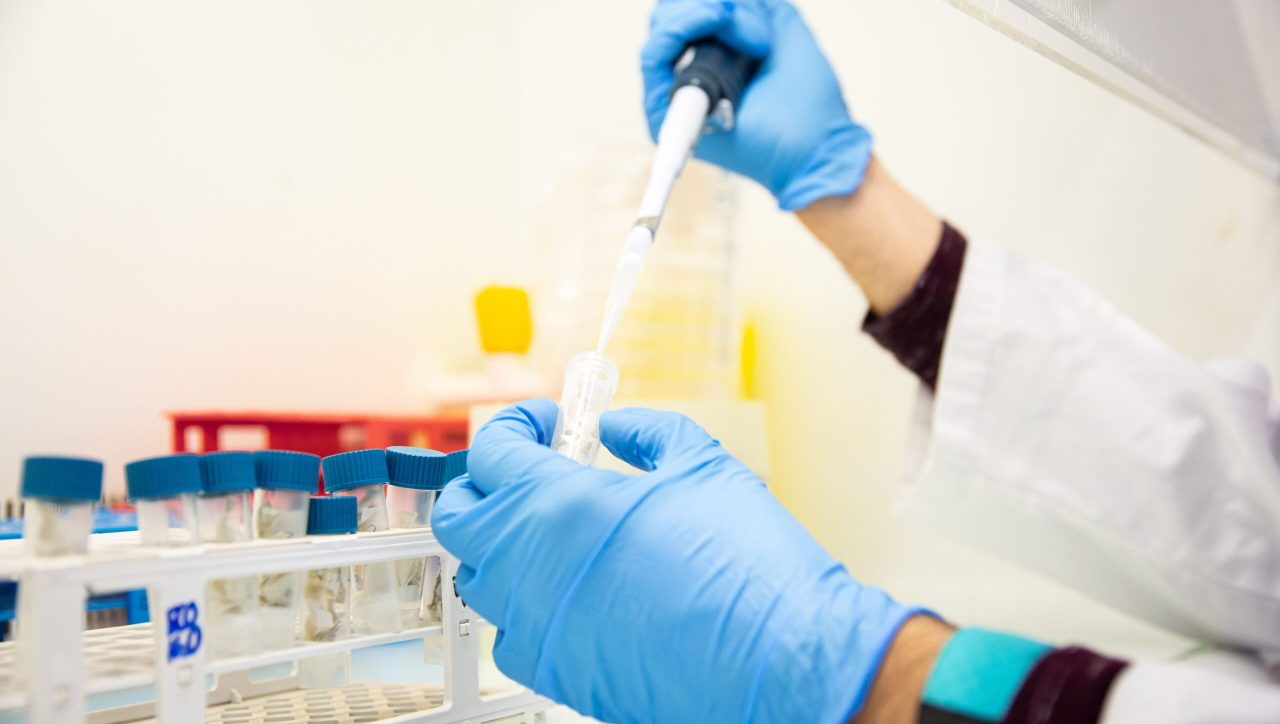
Adopting a One Health Approach, the project integrates sampling from hospital isolates, sewage systems, stagnant water bodies, poultry farms, and dairy farms to capture the full environmental and clinical spectrum of AMR. The project focuses on developing standardized on-site sampling protocols across Ukraine, optimizing qPCR methods for rapid ARG identification, and systematically mapping environmental AMR reservoirs.
This is led by University Klinic Bonn (UKB) in collaboration with Istituto Superiore di Sanità (ISS) and Institute of Molecular Biology and Genetics (IMBG).
The main outputs include a handbook of low-cost, accessible protocols and a comprehensive catalogue of AMR identified in Ukraine’s One Health environments, ultimately increasing awareness and improving the efficiency of controlling both hospital-acquired and environmental antimicrobial resistance.